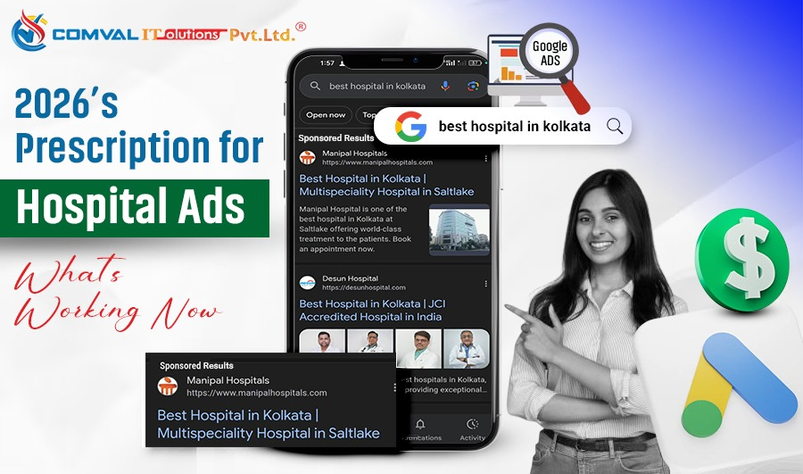
Hospital advertising in 2026 is no longer about being loud but relevant, credible, and patient-centric.
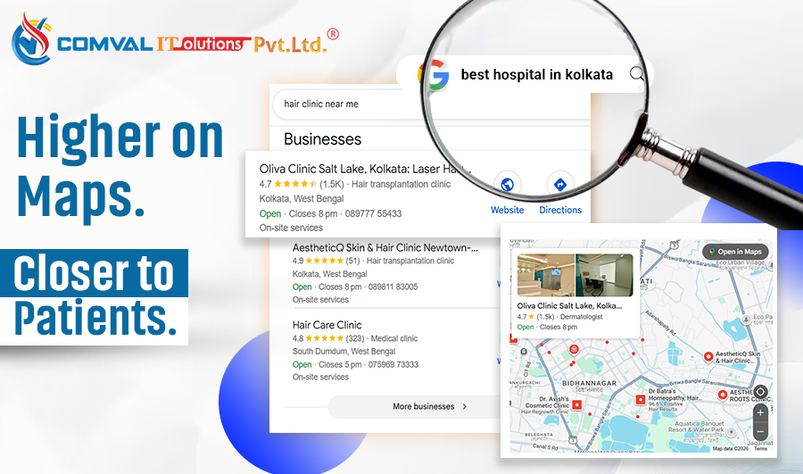
Patients today don’t rush into decisions. They research symptoms, compare hospitals, read reviews, and seek reassurance before they ever book an appointment. If your ads don’t support that journey, they’re invisible, no matter how much you spend.
As a medical digital marketing company, we have both the insight and the experience to explain what hospitals must do differently in 2026. We can tell you all about the not-so-magical strategies to attract, convert, and retain patients using digital advertising.
How Patient Behavior Has Changed in 2026
Before talking about ads, let’s talk about patients.
In 2026, patients:
-
Google symptoms before hospitals
-
Trust doctors’ explanations more than brand claims
-
Expect transparency around treatment, cost, and recovery
-
Want reassurance, not pressure
-
Prefer easy online booking and instant communication
If your ads don’t align with this mindset, patients simply move on to the next option.
Search Intent Is the Backbone of Successful Hospital Ads
Most hospital ad campaigns fail because they target broad keywords instead of intent-driven searches.
-
“Best cardiologist for heart blockage”
-
“Cost of knee replacement surgery”
-
“Is cataract surgery safe?”
-
“24/7 emergency hospital near me”
-
“Top hospital”
-
“Multispecialty hospital”
-
“Healthcare services”
The difference?
One brings traffic. The other brings patients.
Winning Google ads for hospitals in 2026 focus on condition-based and treatment-based intent, not vague branding.
Department-Level Advertising Is No Longer Optional
Hospitals today are competing not just with other hospitals but with:
-
Specialty clinics
-
Single-doctor practices
-
Telemedicine platforms
That’s why department-wise ad strategies are working best. We have been a marketing agency for healthcare for quite some time now, enough to identify patterns in search intent and online behavior.
According to our understanding of the landscape, each department now should have:
-
Its own Google Ads campaign
-
Its own landing page
-
Its own patient messaging
-
Its own tracking and optimization
For example:
-
Orthopedics ads ≠ Cardiology ads
-
Fertility ads ≠ Pediatrics ads
You must understand that it’s personalization that drives performance.
Trust Signals That Boost Hospital Ad Conversions
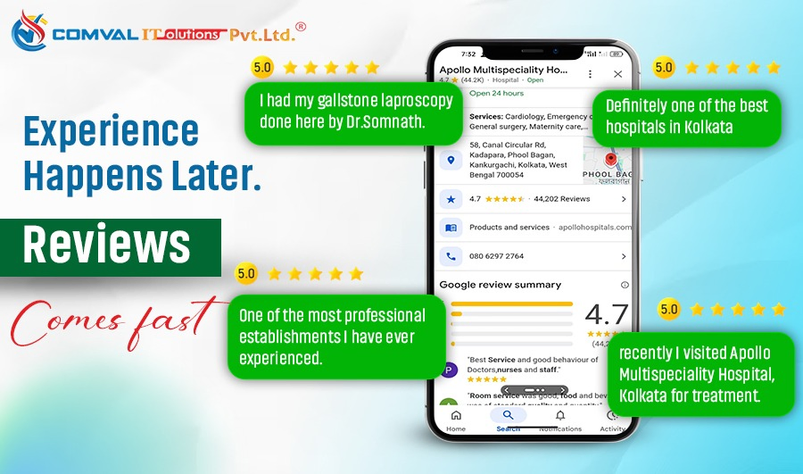
In 2026, patients look for proof before promise.
High-performing hospital ads and landing pages include:
-
Doctor profiles with experience
-
Certifications & accreditations
-
Treatment success explanations (not exaggerations)
-
Patient education content
-
Clear next steps
Even small trust elements, like a doctor’s video or FAQ section, can significantly improve conversion rates.
AI + Automation in Hospital Advertising (Used the Right Way)
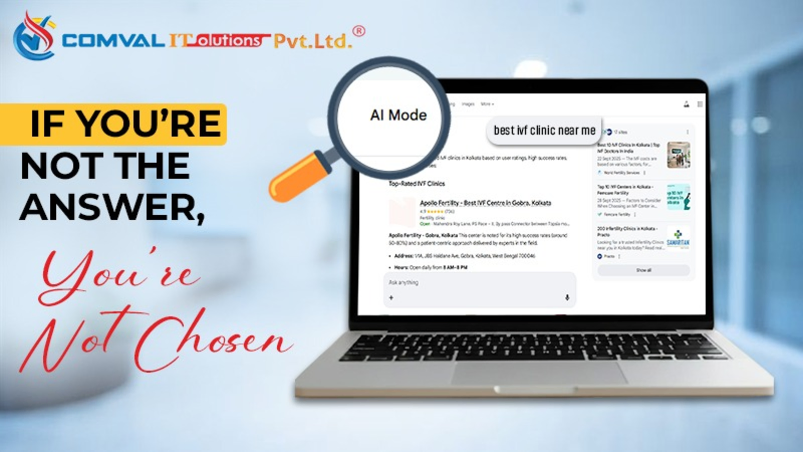
AI is playing a big role in 2026, but only when used strategically.
Smart hospitals are using AI for:
-
Predicting high-converting keywords
-
Optimizing ad bidding
-
Personalizing ad copy by intent
-
Improving follow-up response times
But here’s the key:
AI supports strategy but it doesn’t replace human understanding of patients.
Hospitals that rely only on automation without patient empathy see poor results in both visibility and engagement. Partnering with real-time medical advertising agencies can help you achieve a balance between automation and human understanding, which makes the real difference.
Why Hospital SEO and Ads Must Work Together
Running ads without SEO in 2026 is like filling a bucket with holes.
When SEO and paid ads work together:
-
Ads bring immediate visibility
-
SEO builds long-term authority
-
Patients see your hospital multiple times (trust increases)
-
Cost per lead decreases over time
High-ranking blogs, condition pages, and FAQs support ad performance, especially in healthcare where trust is the focal point of engagement.
Common Hospital Advertising Mistakes We Still See
Despite all the changes, many hospitals still:
-
Use outdated ad creatives
-
Ignore mobile optimization
-
Don’t track appointment conversions
-
Fail to respond quickly to inquiries
-
Treat digital marketing as a one-time setup
In 2026, hospital advertising is a continuous optimization process, not a one-time campaign.
What a High-Performing Hospital Ad Funnel Looks Like
-
Patient searches a symptom or treatment
-
Sees a helpful, reassuring ad
-
Lands on a focused, educational page
-
Gains trust through doctor info & FAQs
-
Books appointment easily
-
Receives quick follow-up
Remember, every missing step reduces conversions and increases bounce rates at the same time.
Why Hospitals Choose Us for Digital Marketing
At Comval IT Solutions Pvt, Ltd. , we understand that hospital marketing is now more about care, compliance, and credibility, along with visible proof of each. We manage digital marketing for the healthcare industry through proven strategies and trackable performance.
Our strategies:
-
Respect healthcare advertising guidelines
-
Speak the patient’s language
-
Generate real appointment inquiries
-
Improve ROI month after month
We follow a simple approach:
Marketing that educates converts better than marketing that sells.
The 2026 Takeaway For Hospital Leaders
Hospital advertising in 2026, including strategic healthcare SEO is not only non-optional but is also not simple anymore.
To succeed in this complex mess of automation and humane value, hospitals must:
-
Understand patient intent
-
Build trust before promotion
-
Invest in department-level strategies
-
Combine ads, SEO, and content
-
Optimize continuously
For sure, healthcare facilities that adapt easily will grow faster.
Those that fail to adapt will ultimately disappear from search results and patient consideration.
Ready to Upgrade Your Hospital Ads for 2026?
High-ranking blogs, condition pages, and FAQs support ad performance, especially in healthcare where trust is the focal point of engagement.
If your hospital wants more qualified patient leads, stronger visibility, and better ad performance, now is the time to act.
Get in touch with us and let’s create a digital marketing strategy that truly works for modern healthcare.