Customers don’t experience brands one channel at a time anymore. They move fluidly between websites, social media, emails, ads, and in-person touchpoints, and they expect the journey to feel connected at every step. At Comval, we recognise that this shift isn’t just a trend but a fundamental change in how people make decisions today.
That’s where Digital marketing and omnichannel marketing strategy becomes powerful. It unifies every touchpoint into a single, cohesive experience so customers feel understood, valued, and supported no matter how or where they interact with your brand.
Can this approach reshape your business and drive stronger, more meaningful engagement?
Let’s discuss.
Omnichannel Marketing Strategy For Digital Businesses
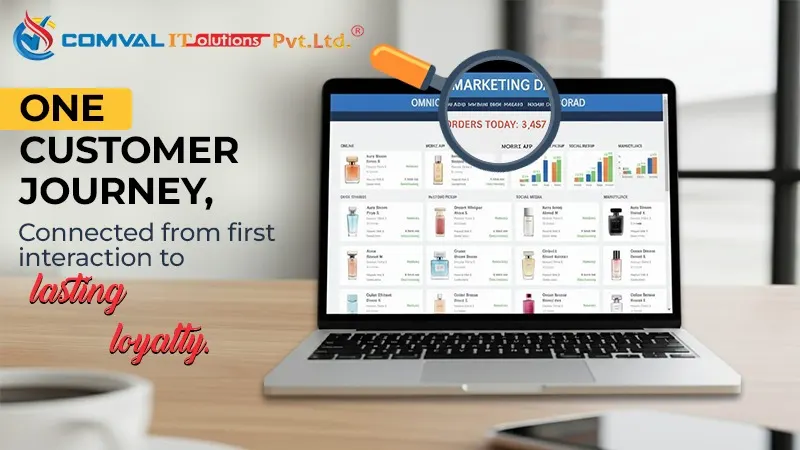
It’s a highly-effective strategy to create a unified and coherent omnichannel experience for customers across various touchpoints. Whether your customers are interacting with your brand through a website, mobile app, social media, or in-store, this approach ensures consistency and connectivity. It integrates different channels, allowing for smooth transitions and interactions without any disruptions.
It involves linking all your marketing and communication channels to provide a cohesive experience. For instance, a customer might discover your product on social media, research it on your website, and finally make a purchase in-store. With omnichannel integration, all these interactions are interconnected, making the customer's journey seamless.
Why Are Omnichannel Strategies So Important Today?
Research shows that customers using multiple touchpoints spend more, stay longer, and engage deeper. Strong omnichannel strategies boost retention to 89%, increase order rates by nearly 500%, and drive higher revenue while reducing costs. With most shoppers preferring seamless cross-channel experiences, omnichannel engagement has become a key driver of loyalty and long-term value.
Customers today expect personalized and convenient experiences. The strategy ensures that their interactions are smooth and tailored to their preferences. By providing consistent messaging and seamless transitions between channels, you can enhance customer satisfaction and build long-lasting relationships.
When customers have a positive experience with your brand, they are more likely to return. Omnichannel strategies foster loyalty by providing value at every touchpoint. Whether it’s through personalized recommendations or timely customer support, an integrated approach keeps customers engaged and encourages repeat business.
An omnichannel approach increases your brand's presence across various platforms. By utilizing multiple channels, you can reach a wider audience and boost brand awareness. Consistent messaging across these channels reinforces your brand identity and makes it more recognizable to potential customers.
One of the significant advantages is the ability to gather comprehensive data. By tracking customer interactions across channels, you can gain valuable insights into their behavior and preferences. This data can be used to refine your marketing efforts, tailor your offerings, and make informed business decisions.
Implementing An Omnichannel Marketing Strategy
To successfully execute omnichannel solutions, businesses need to consider various factors as mentioned:
Before diving into full-fledged omnichannel marketing, it is essential to understand your target audience. Conduct thorough research to identify their preferences, behaviors, and preferred channels. This knowledge will help you tailor your strategy to meet their needs effectively.
Ensure that your brand message is consistent across all channels. Whether it’s your website, social media, or email campaigns, the tone, visuals, and messaging should align. This consistency builds trust and reinforces your brand identity.
Technology plays a crucial role in implementing an omnichannel strategy. Invest in tools and platforms that facilitate integration and automation. Customer relationship management (CRM) systems, marketing automation software, and data analytics tools can streamline your efforts and enhance the customer experience.
Omnichannel communication involves providing exceptional customer support across all touchpoints. Make it easy for customers to reach out to you, whether through chat, email, or phone. Promptly address their queries and concerns to build trust and loyalty.
Does Omnichannel Marketing Indeed Bring Success?
Several companies have successfully implemented these strategies and reaped the benefits. Let’s explore a few examples:
-
Starbucks – Starbucks has mastered the art of omnichannel marketing by integrating their mobile app, website, and in-store experience. Customers can order and pay through the app, earn rewards, and enjoy personalized offers. This seamless experience keeps customers engaged and returning for more.
-
Nike – Nike’s omnichannel approach focuses on delivering personalized experiences. Their app provides customized recommendations based on users’ preferences, while their stores offer interactive experiences. This integration of digital and physical channels creates a unique and engaging customer journey.
-
Sephora – Sephora has successfully implemented an omnichannel strategy by combining their online and offline experiences. Customers can access their Beauty Insider account across platforms, receive personalized recommendations, and enjoy a seamless shopping experience. This integration strengthens customer loyalty and drives sales.
Overcoming Challenges In Omnichannel Implementation
While the benefits of a strategy are evident, implementing it can come with challenges. Here are some common hurdles and how to overcome them:
-
Channel Integration – Integrating multiple channels can be complex, especially if you have existing systems in place. Invest in technology solutions that facilitate seamless integration and ensure data consistency across platforms.
-
Data Management – Managing and analyzing data from various channels can be overwhelming. Implement robust data management systems and analytics tools to gather, organize, and derive insights from the data. This will help you make informed decisions and refine your strategy.
-
Consistency and Coordination – Maintaining consistent messaging and coordination across channels requires collaboration and communication among teams. Foster a culture of cross-functional collaboration and ensure that everyone is aligned with the omnichannel strategy.
A Closing Thought
An omnichannel marketing strategy is no longer an option today. By providing a seamless and integrated customer experience, businesses can enhance customer satisfaction, boost brand visibility, and drive growth.
At Comval IT Solutions Pvt. Ltd., we specialize in helping businesses implement omnichannel solutions that deliver exceptional results. Partner with us to help your business make the most of such strategies and stay ahead in the competitive market.
Let’s connect sometime to discuss the endless possibilities for your business to embrace the digital evolution of today.