Parents-to-Be Don’t Ask for Recommendations — They Google
For many parents-to-be, the journey does not begin with a phone call or a family recommendation. It begins with a Google search.



Internet of Things (IoT) devices can communicate with other devices and systems with ease by connecting to the internet via Wi-Fi, Bluetooth, or cellular networks.

The transferred data is processed by sophisticated analytics and machine learning algorithms, which find patterns and trends to help in decision-making.
For analysis and processing, sensors built into Internet of Things devices gather information about their surroundings, such as motion, temperature, and humidity.
Through applications or web interfaces, users engage with Internet of Things systems, allowing them to remotely control functions and monitor device status.
To enable real-time insights, collected data is sent to local servers or cloud platforms for processing, storing, and analysing.
IoT systems have the ability to automate tasks based on data analysis, which improves productivity and permits intelligent reactions like turning off appliances when not in use.

IoT devices automated home systems, enhancing security, energy efficiency, and convenience through interconnected appliances and sensors.

Wearable IoT devices track patient health metrics in real-time, enabling remote monitoring and timely medical interventions.

IoT optimises manufacturing processes, improving efficiency and reducing downtime through predictive maintenance and real-time data analysis.
IoT enhances urban living by optimising traffic management, waste management, and energy consumption for sustainable development.
IoT sensors monitor soil conditions and crop health, enabling precision farming and efficient resource management for better yields.


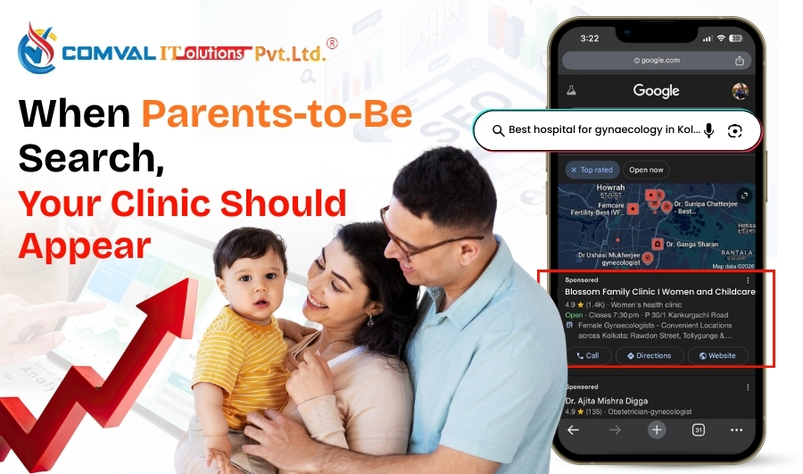
For many parents-to-be, the journey does not begin with a phone call or a family recommendation. It begins with a Google search.

Every business needs content, but not every business has content that brings leads. A good website can explain your services.
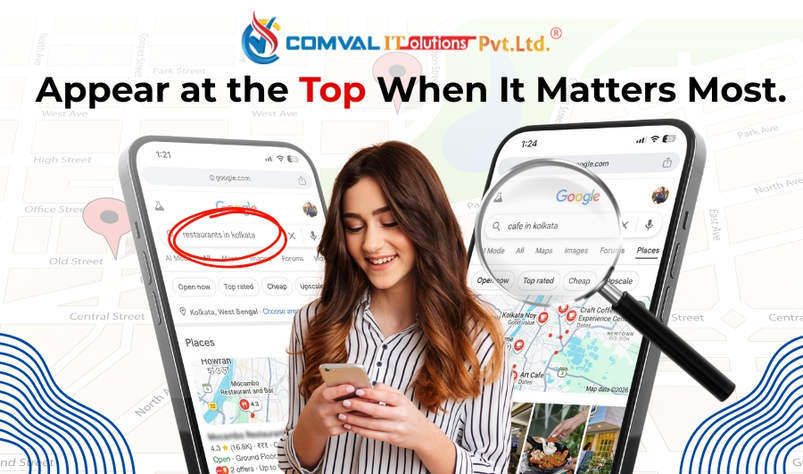
When people search for your product or service on Google, they are already showing interest. They may be comparing companies, checking prices.
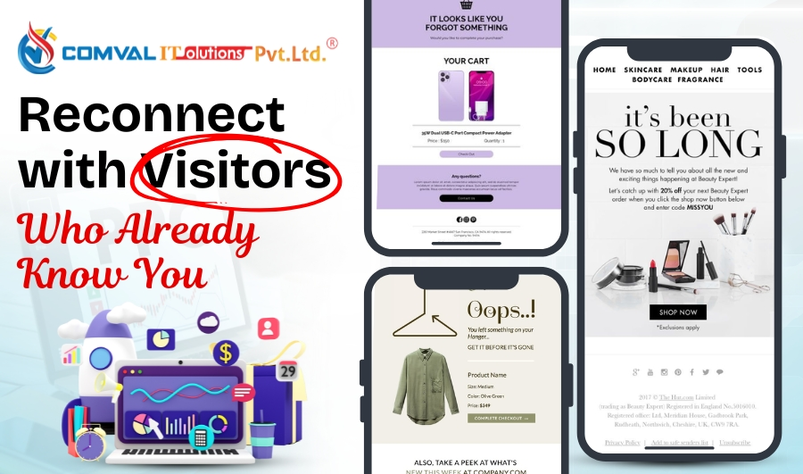
Remarketing (sometimes called retargeting) is a form of paid online advertising that displays ads to people who have already interacted with your business.